
Quick Answer
Common heart attack warning signs include chest pressure or discomfort, pain spreading to the arm, shoulder, back, neck, or jaw, shortness of breath, sweating, nausea, and dizziness. Symptoms can vary, and some people may have less typical symptoms. If a heart attack is suspected, seek emergency medical care immediately rather than waiting for symptoms to disappear.
What Does Heart Attack Chest Pain Feel Like?
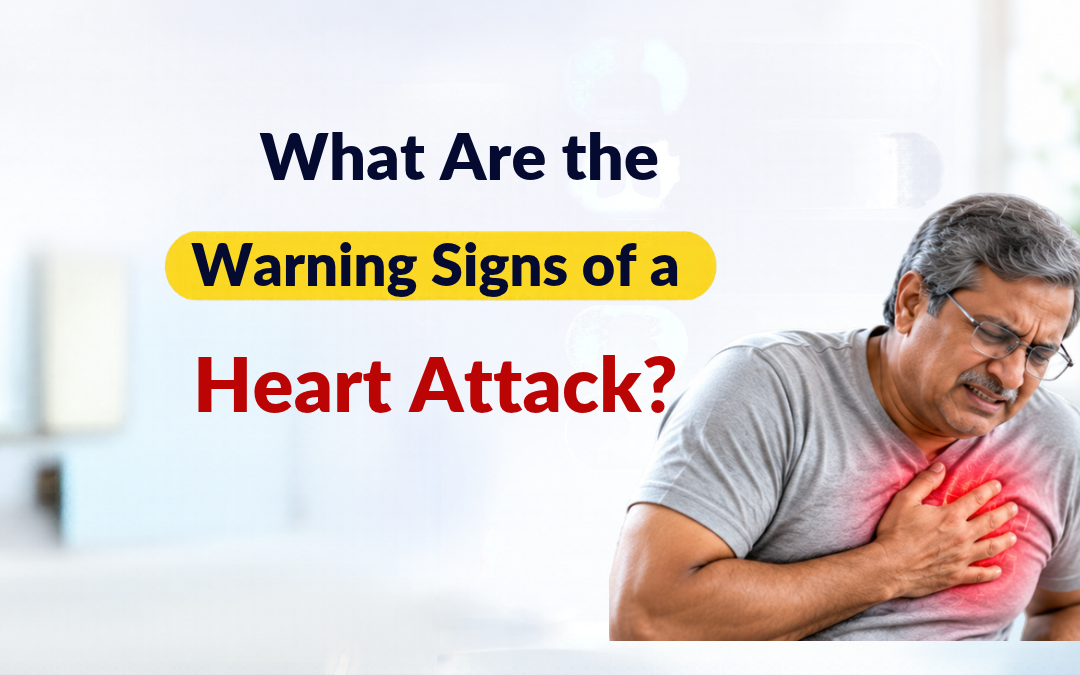
Heart attack discomfort is often described as pressure, squeezing, fullness, heaviness, or tightness in the chest.
It may last several minutes or come and go.
The discomfort may spread to:
- One or both arms
- Shoulder
- Back
- Neck
- Jaw
Not everyone experiences the same symptoms.
Other Warning Signs
A heart attack may also cause:
- Shortness of breath
- Cold sweating
- Nausea or vomiting
- Dizziness
- Sudden weakness
- Unusual tiredness
- A feeling of discomfort in the upper abdomen
Some people, particularly older adults and people with diabetes, may have less typical symptoms.
Can a Heart Attack Happen Without Severe Chest Pain?
Yes.
Some heart attacks may begin with mild or unusual symptoms. Breathlessness, unexplained weakness, sweating, nausea, or discomfort in the back or jaw can sometimes occur.
This is why it is important to consider the combination and suddenness of symptoms rather than waiting for severe chest pain.
What Should You Do If You Suspect a Heart Attack?
A suspected heart attack requires emergency medical attention.
Do not wait to see whether the symptoms disappear.
Emergency assessment allows doctors to perform an ECG and blood tests and determine whether the heart muscle is being damaged.
Early treatment can be important because prolonged interruption of blood flow can damage heart muscle.
Who Has a Higher Risk?
Risk factors include:
- Smoking
- Diabetes
- High BP
- High cholesterol
- Obesity
- Physical inactivity
- Family history
- Previous cardiovascular disease
- Increasing age
Having risk factors does not mean a heart attack will definitely occur, but managing them is an important part of prevention.
How Is a Heart Attack Diagnosed?
Doctors commonly use an ECG and blood tests, including cardiac troponin, to assess possible heart muscle injury.
Additional imaging and coronary evaluation may be required depending on the situation.
Treatment can include medicines and procedures to restore blood flow when appropriate.
FAQs
Can heart attack symptoms come and go?
Yes. Symptoms may come and go, so temporary improvement does not necessarily mean the problem is harmless.
Can women have different heart attack symptoms?
Women can experience the usual chest symptoms but may also have less typical symptoms such as unusual fatigue, nausea, or breathlessness.
Is sudden sweating a heart attack symptom?
Cold sweating can occur during a heart attack, particularly when it happens with chest discomfort or other warning signs.
Conclusion
Knowing the warning signs of a heart attack can help you act quickly. Chest pressure, breathlessness, sweating, nausea, dizziness, or pain spreading to the upper body should be taken seriously, especially when symptoms are sudden.