
Quick Answer
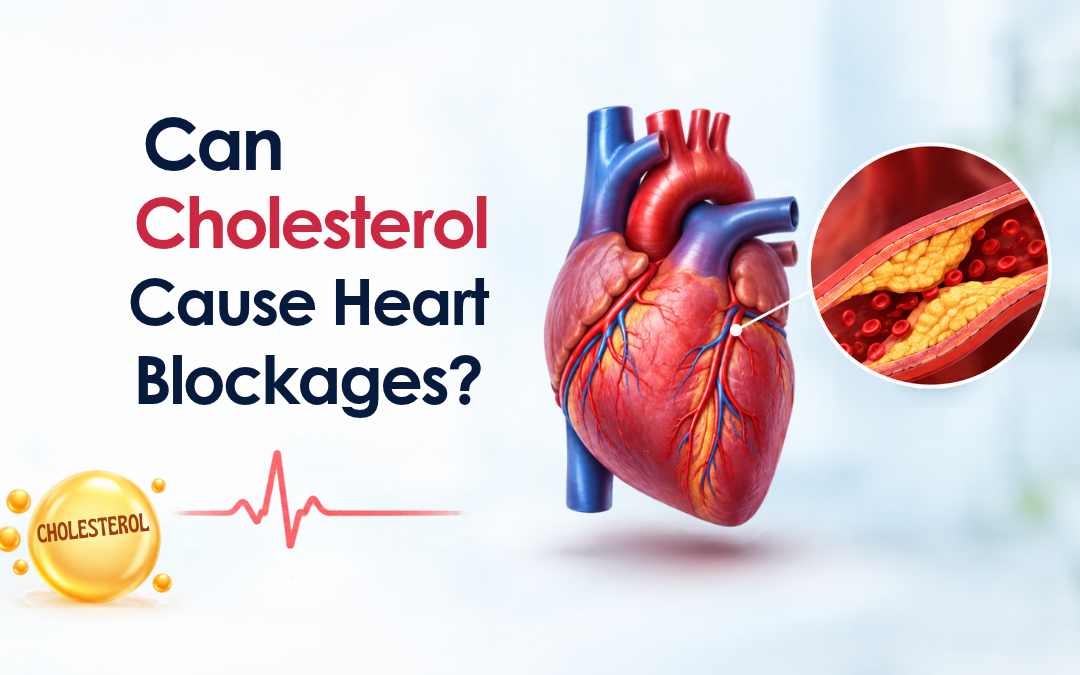
Yes. High levels of certain types of cholesterol, particularly LDL cholesterol, can contribute to plaque buildup inside the arteries. Over time, this plaque can narrow the coronary arteries and reduce blood flow to the heart. However, cholesterol is only one part of overall heart risk. Blood pressure, diabetes, smoking, family history, age, and lifestyle also matter.
How Does Cholesterol Affect the Heart?
Cholesterol is a fatty substance that the body needs for several important functions. The problem occurs when certain cholesterol levels remain high, particularly LDL cholesterol.
LDL can contribute to the formation of plaque inside artery walls. This process is called atherosclerosis.
When plaque builds up in the coronary arteries, the arteries can become narrower. Less blood may reach the heart muscle, especially when the heart needs more oxygen during physical activity.
This can contribute to symptoms such as chest discomfort or breathlessness.
Does High Cholesterol Cause Symptoms?
Usually, high cholesterol itself does not cause obvious symptoms.
You may feel completely healthy while cholesterol is gradually contributing to plaque buildup.
That is why a blood test is commonly used to check cholesterol levels.
A typical lipid profile may include:
- LDL cholesterol
- HDL cholesterol
- Triglycerides
- Total cholesterol
The importance of each result depends on your overall health and cardiovascular risk.
Does Everyone With High Cholesterol Get a Blockage?
No.
Having high cholesterol does not automatically mean that your arteries are blocked.
The risk depends on several factors, including the level and duration of cholesterol elevation, age, diabetes, blood pressure, smoking, family history, and other medical conditions.
Doctors may look at the complete cardiovascular risk picture when deciding whether lifestyle changes or medication are appropriate.
What Can Help Control Cholesterol?
Lifestyle changes can play an important role.
These may include:
- Eating more vegetables and fiber-rich foods
- Choosing healthier sources of fat
- Limiting trans fats and excessive saturated fat
- Maintaining a healthy weight
- Exercising regularly
- Avoiding smoking
- Managing diabetes and BP
Some people also need cholesterol-lowering medication based on their individual risk.
Do not start or stop cholesterol medication without medical advice.
How Are Heart Blockages Detected?
A doctor may consider testing based on symptoms and risk factors.
Possible investigations include an ECG, stress testing, echocardiography, CT coronary angiography, or conventional coronary angiography.
The appropriate test depends on the person's symptoms and clinical situation.
FAQs
Can high cholesterol cause chest pain?
High cholesterol itself usually does not cause chest pain. Plaque buildup associated with cholesterol can contribute to coronary artery disease, which may cause chest discomfort.
Can exercise lower cholesterol?
Regular physical activity can improve several cardiovascular risk factors and may help improve cholesterol levels.
Is medication always needed for high cholesterol?
Not necessarily. Treatment depends on cholesterol levels and overall cardiovascular risk.
Conclusion
Cholesterol can play an important role in the development of coronary artery plaque, but it is only one part of heart health. Regular screening and managing your overall risk can help protect your arteries.