
Quick Answer
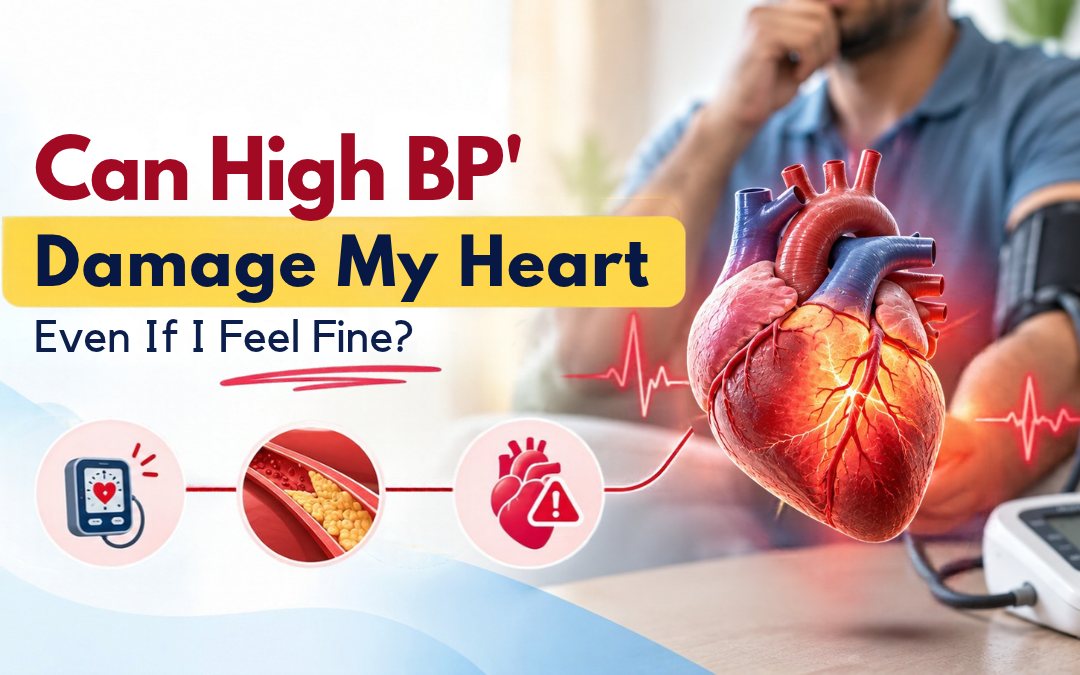
Yes. High blood pressure can affect your heart even when you have no symptoms. Hypertension often develops silently, but consistently high pressure can make the heart work harder and contribute to blood vessel damage, coronary artery disease, heart attack, heart failure, stroke, and kidney problems.
Why Can High BP Be Dangerous Without Symptoms?
Many people with high BP feel completely normal.
They may not have headaches, dizziness, chest pain, or any other obvious warning sign.
This is one reason regular blood pressure monitoring is important. The absence of symptoms does not necessarily mean that blood pressure is under control.
How Does High BP Affect the Heart?
When blood pressure remains high, the heart has to pump against greater resistance.
Over time, this extra workload can cause the heart muscle to become thicker. As the heart becomes less flexible, it may affect how efficiently it fills and pumps blood.
High BP can also damage the inner lining of blood vessels and contribute to plaque formation. This can increase the risk of coronary artery disease.
Long-term uncontrolled hypertension is associated with increased cardiovascular risk.
What Increases the Risk Further?
The risk can be greater when high BP occurs together with other conditions such as:
- Diabetes
- High cholesterol
- Smoking
- Obesity
- Kidney disease
- Physical inactivity
- Family history of cardiovascular disease
These factors can interact with one another, which is why doctors often consider overall cardiovascular risk rather than BP alone.
Can Heart Damage Happen Before Symptoms Appear?
Yes.
Changes to the heart and blood vessels can develop gradually. Some people may not notice any symptoms until the condition has progressed.
Depending on your situation, a doctor may recommend tests such as an ECG, echocardiogram, blood tests, kidney function testing, or other investigations.
How Can You Protect Your Heart?
Blood pressure management may involve lifestyle changes, medicines, or both.
Helpful habits include:
- Eating a balanced diet
- Limiting excess salt
- Maintaining a healthy weight
- Exercising regularly
- Avoiding tobacco
- Limiting alcohol
- Getting adequate sleep
- Managing stress
- Taking prescribed medicines regularly
If medication has been prescribed, do not stop it simply because you feel well.
When Is Very High BP an Emergency?
A very high BP reading can require urgent attention, particularly when it occurs with symptoms.
If your blood pressure is 180/120 mm Hg or higher and you have chest pain, severe breathlessness, weakness, numbness, vision changes, confusion, or difficulty speaking, seek emergency medical care.
FAQs
Can high BP exist without symptoms?
Yes. Many people with hypertension have no noticeable symptoms.
Can high BP cause a heart attack?
Long-term uncontrolled high BP can increase the risk of coronary artery disease and heart attack.
Should I take BP medicine even if I feel normal?
If your doctor has prescribed medication, take it as directed. Do not change the dose or stop treatment without medical advice.
Conclusion
High blood pressure may not make you feel unwell, but it can still affect your heart over time. Regular monitoring and appropriate treatment are important parts of protecting long-term cardiovascular health.