Quick Answer
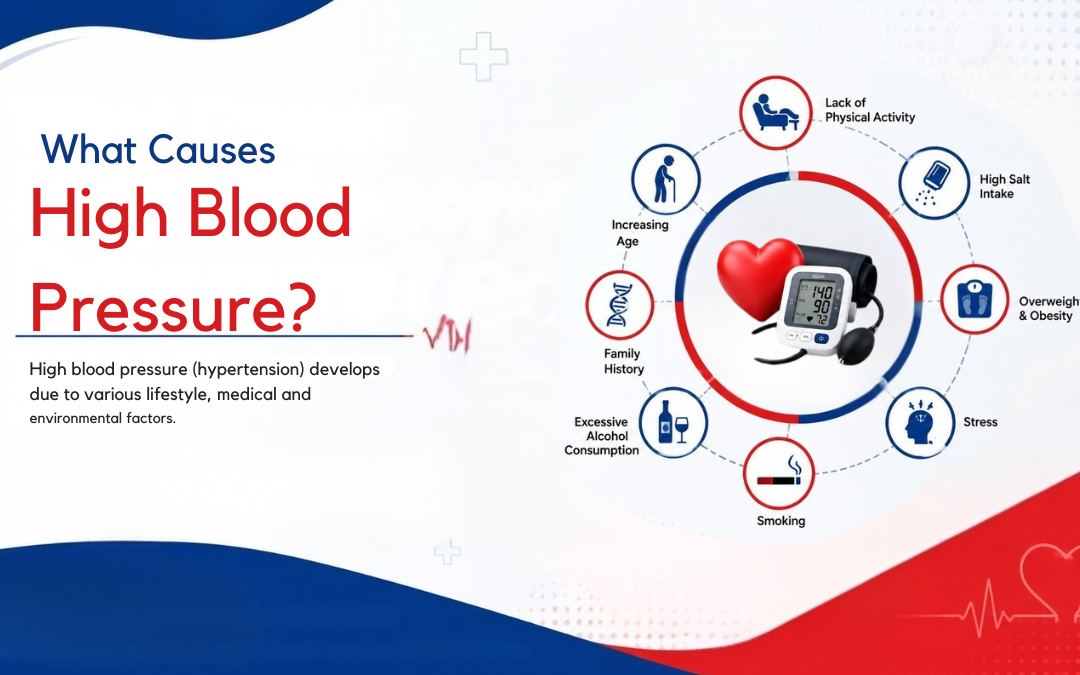
High blood pressure (hypertension) occurs when the force of blood against your artery walls remains consistently high. Common causes include unhealthy eating habits, excessive salt intake, obesity, stress, lack of exercise, smoking, alcohol consumption, family history, and certain medical conditions. If left untreated, high blood pressure can increase the risk of heart attack, stroke, kidney disease, and heart failure.
What Is High Blood Pressure?
High blood pressure, also known as hypertension, is a condition where your blood pressure remains higher than normal over a long period. It forces your heart to work harder, increasing the risk of serious cardiovascular diseases.
Since it often develops without noticeable symptoms, hypertension is commonly called the "Silent Killer."
Common Causes of High Blood Pressure
Excess Salt Intake
Eating too much salt causes the body to retain water, increasing blood pressure.
Unhealthy Diet
A diet high in processed foods, saturated fats, and sugar can contribute to hypertension.
Lack of Physical Activity
A sedentary lifestyle can lead to weight gain and poor heart health, increasing blood pressure.
Obesity
Being overweight places extra strain on the heart and blood vessels.
Stress
Long-term stress can temporarily increase blood pressure and contribute to unhealthy lifestyle habits.
Smoking
Smoking damages blood vessels and causes blood pressure to rise immediately after each cigarette.
Excessive Alcohol Consumption
Drinking too much alcohol can increase blood pressure over time.
Family History
People with a family history of hypertension have a higher risk of developing the condition.
Medical Conditions
Certain diseases can also cause high blood pressure, including:
- Diabetes
- Kidney disease
- Thyroid disorders
- Sleep apnea
- Hormonal disorders
Symptoms of High Blood Pressure
High blood pressure usually has no obvious symptoms. However, very high blood pressure may cause:
- Severe headaches
- Dizziness
- Blurred vision
- Chest pain
- Shortness of breath
- Nosebleeds
- Fatigue
Because symptoms often appear only when blood pressure is dangerously high, regular health checkups are important.
Who Is at Higher Risk?
You may have a higher risk of hypertension if you:
- Are over 40 years of age
- Have diabetes
- Have high cholesterol
- Smoke
- Are overweight
- Do not exercise regularly
- Consume excessive salt
- Have a family history of heart disease or hypertension
How Can High Blood Pressure Be Controlled?
Eat a Heart-Healthy Diet
Choose fruits, vegetables, whole grains, lean proteins, and low-fat dairy products.
Reduce Salt Intake
Limiting sodium can significantly help lower blood pressure.
Exercise Regularly
Aim for at least 30 minutes of moderate exercise on most days.
Maintain a Healthy Weight
Weight loss can improve blood pressure control.
Quit Smoking
Stopping smoking improves heart and blood vessel health.
Limit Alcohol
Drink alcohol only in moderation or avoid it completely.
Manage Stress
Practice relaxation techniques like meditation, yoga, or deep breathing exercises.
Get Regular Health Checkups
Routine blood pressure monitoring helps detect hypertension early.
Why Is High Blood Pressure Dangerous?
If left untreated, high blood pressure can lead to:
- Heart attack
- Stroke
- Heart failure
- Kidney disease
- Vision loss
- Damage to blood vessels
Early diagnosis and proper treatment can help prevent these serious complications.
FAQs
What is the main cause of high blood pressure?
Lifestyle factors such as high salt intake, obesity, stress, smoking, and lack of exercise are among the most common causes.
Can stress increase blood pressure?
Yes. Chronic stress can contribute to elevated blood pressure and unhealthy lifestyle habits.
Does high blood pressure always have symptoms?
No. Many people have no symptoms, which is why hypertension is called the "Silent Killer."
Can young adults develop high blood pressure?
Yes. Poor lifestyle habits, obesity, stress, and family history can increase the risk at any age.
How often should I check my blood pressure?
Adults should have their blood pressure checked regularly, especially if they have risk factors such as diabetes, obesity, or a family history of hypertension.
Can high blood pressure be prevented?
Yes. A healthy diet, regular exercise, maintaining a healthy weight, avoiding smoking, and reducing stress can help prevent or control hypertension.
Conclusion
High blood pressure is one of the leading causes of heart disease, stroke, and other serious health conditions. Because it often develops without symptoms, regular blood pressure monitoring and healthy lifestyle choices are essential.
If you have high blood pressure or risk factors such as diabetes, obesity, or a family history of heart disease, consult a cardiologist for early diagnosis and effective treatment.
Looking for expert heart care in Hyderabad? Book an appointment with our experienced cardiologist today for a comprehensive heart health evaluation.