
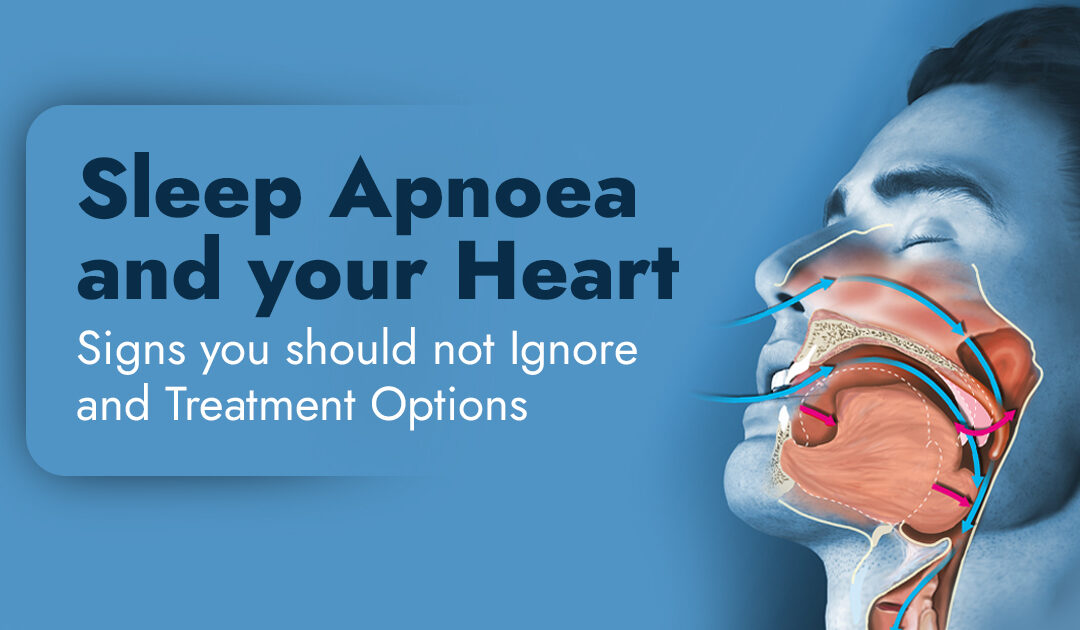
Sleep is meant to be the body’s time to rest and recover. After a long day of work, travel, and other responsibilities, a peaceful night’s sleep should make you feel fresh and energised. However, for many people, sleep does not always provide the rest the body truly needs. One hidden reason behind this is sleep apnoea, a common yet often ignored condition that can quietly affect heart health.
WHAT IS SLEEP APNOEA?
Sleep apnoea is a condition in which breathing repeatedly stops and starts during sleep. The most common type, obstructive sleep apnoea, occurs when the muscles at the back of the throat relax and block the airway. This blockage prevents proper airflow, and pauses the breathing that may last several seconds.
Each time breathing stops, the brain briefly wakes the body to restore normal breathing. Most people do not even realise this is happening. However, these repeated interruptions prevent deep and restful sleep. Over time, this lack of proper oxygen and rest begins to affect overall health, especially the heart.
In many Indian households, loud snoring is often joked about or ignored. Snoring is usually considered normal, and constant tiredness is blamed on work pressure. But in reality, persistent snoring can be an early warning sign of sleep apnoea and should not be taken lightly.
COMMON SIGNS YOU SHOULD NOT IGNORE
Sleep apnoea often develops slowly, so many people do not realise something is wrong. However, the body gives clear warning signs that should never be ignored.
Loud and persistent snoring:
Regular, heavy snoring is one of the earliest and most common symptoms. If someone at home notices that you stop breathing for a few seconds and then gasp or snort, it could be a sign of sleep apnoea. Morning headaches are also common due to reduced oxygen levels during the night.Constant tiredness despite enough sleep:
Feeling exhausted even after sleeping for seven to eight hours is another important sign. People with sleep apnoea often experience daytime sleepiness, poor focus, and irritability. Some may feel sleepy while watching television, reading, or travelling.Disturbed sleep and dryness in the mouth:
Waking up with a dry mouth, sore throat, or needing to urinate frequently at night may also be linked to this condition.
WHO IS AT HIGHER RISK?
Anyone can develop sleep apnoea, but certain people are more likely to experience it than others. Understanding these risk factors can help in recognising the condition early.
Excess weight and inactive lifestyle:
Being overweight is one of the main risk factors. Extra fat around the neck can narrow the airway and make breathing difficult during sleep. With sedentary lifestyles becoming more common in India, especially due to desk jobs and less physical activity, the risk of sleep apnoea is steadily increasing.Existing health conditions:
People who already have high blood pressure, diabetes, or thyroid disorders may be more prone to sleep apnoea. These conditions often go hand in hand with poor sleep quality. Smoking and alcohol consumption can further relax the throat muscles and worsen breathing interruptions during sleep.Age and gender factors:
Men are generally more likely to develop sleep apnoea. However, women are also at risk, particularly after menopause due to hormonal changes. Ageing, high stress levels, and irregular sleep routines can further increase the chances of developing this condition.
DIAGNOSIS AND TREATMENT
Anyone can develop sleep apnoea, but certain people are more likely to experience it than others. Understanding these risk factors can help in recognising the condition early.
The reassuring news is that sleep apnoea can be diagnosed and treated with proper medical care. If doctors suspect sleep apnoea, they usually recommend a sleep study test where they check your breathing, oxygen levels, and sleep patterns. Many hospitals and sleep clinics across India now provide this test. In some cases, simple home-based sleep tests are also available, making the process more convenient.
Treatment depends on how severe the condition is. For mild cases, simple lifestyle changes can make a big difference. Maintaining a healthy weight, staying physically active, and following a regular sleep routine can improve breathing during sleep. Avoiding alcohol and heavy meals before bedtime may also help reduce symptoms.
For moderate to severe sleep apnoea, doctors often suggest using a CPAP (Continuous Positive Air Pressure) machine. This device delivers a steady flow of air through a mask worn during sleep, helping keep the airway open. It may feel unusual at first, but many people start feeling more rested and energetic once they get used to it.
Some people may also benefit from special dental devices that support the airway during sleep. In certain severe cases, where there is a physical blockage in the airway, doctors may recommend surgery as a treatment option.
With timely diagnosis and the right treatment, sleep apnoea can be managed well. Proper treatment not only improves sleep quality but also helps protect heart health and overall well-being.
CONCLUSION
Through this blog, we hope you understand how paying attention to early signs of sleep apnoea and seeking timely care can protect your heart and improve your overall quality of life.
After all, good sleep is not just about feeling rested but is also essential for keeping your heart healthy and strong.